In 2026, funders will prioritize and reward collective outcomes
And eight other social good predictions to watch in the coming year.
The social good sector is heading into a year defined by ambitious goals, tighter resources, and rapid advancements in AI. If you have been wondering what next year has in store, check out Bonterra’s 2026 prediction report, where we bring clarity to the trends shaping how nonprofits, funders, executives, and others work across the sector.
Below are three standout predictions from our report that will help you chart a smarter, more strategic path into 2026:
1. Funders will prioritize and reward collective outcomes.
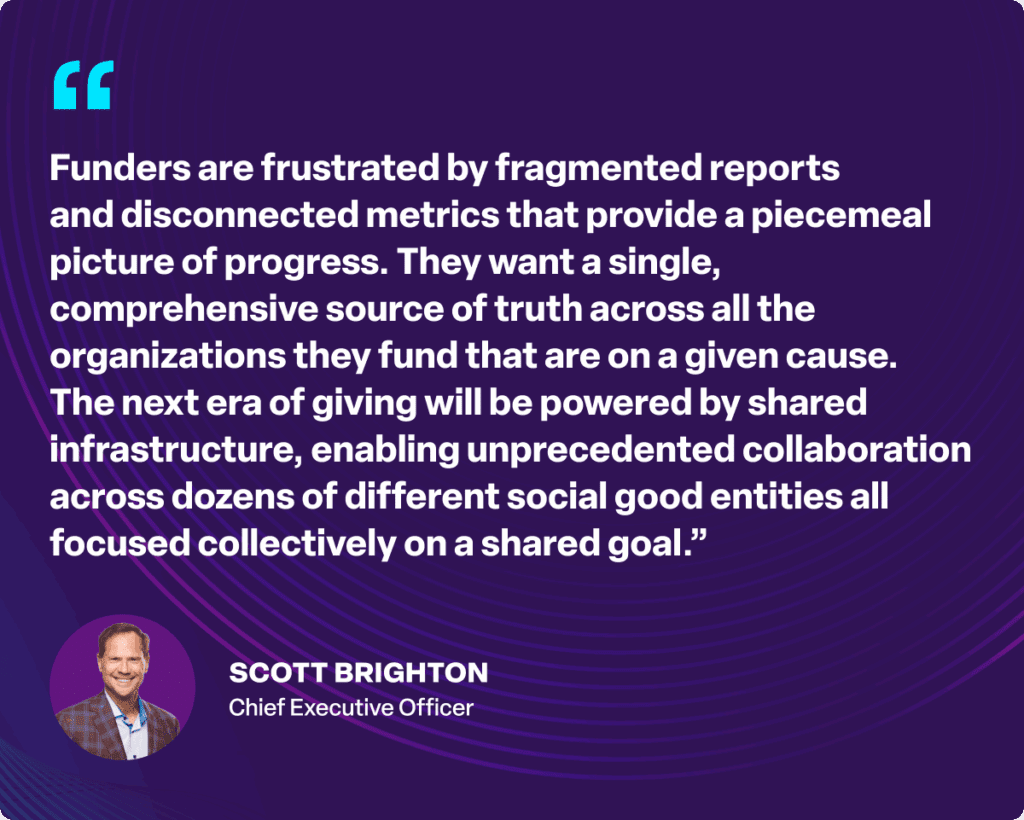
According to the report, 63% of funders agree they will factor collective outcomes into funding decisions next year. This shift reflects a growing desire for one big picture instead of isolated wins. Funders want to understand how the organizations they support are moving together toward long-term progress, whether in reducing housing insecurity or expanding access to mental health services.
This means shared data will matter more than ever. Nonprofit organizations that can show progress against common metrics, align with peer organizations, and demonstrate measurable outcomes will have a stronger case for support. It also signals a future where collaboration becomes a strategic advantage rather than a nice-to-have. The takeaway is simple: Organizations that lean into shared impact will stand out.
2. Nonprofits will swap quarterly reports for real-time impact dashboards.
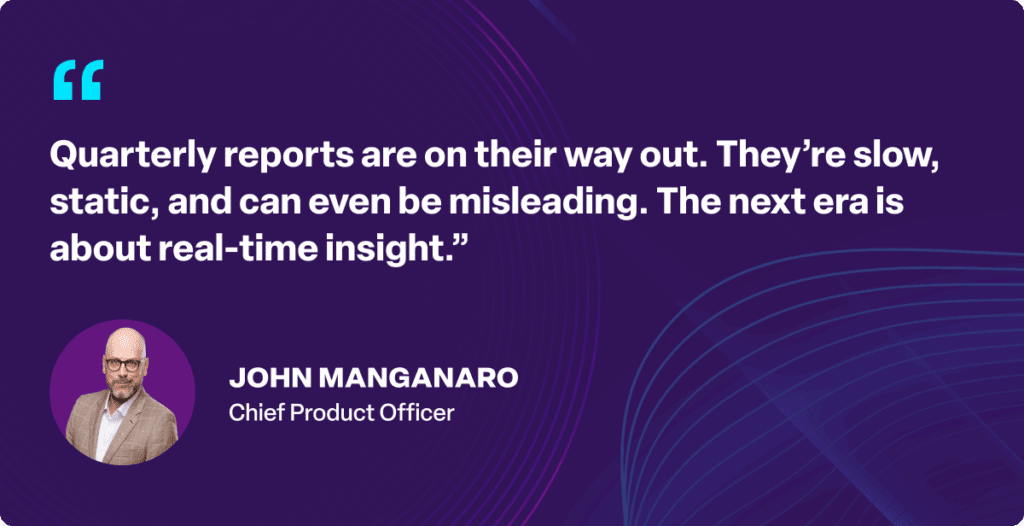
More than half of nonprofits agree that quarterly reporting will shift toward real-time dashboards in 2026. It is not hard to see why. Quarterly reports demand significant manual effort, are difficult to maintain, and are often outdated by the time they reach funders. Staff at smaller organizations report spending 10 to 15% of their monthly capacity on data entry, which pulls them away from more meaningful work.
Real-time dashboards change the equation. They help teams track progress daily, spot trends faster, and understand what is working in the moment. More importantly, they make shared outcomes measurable. When everyone is using the same metrics, collaboration becomes easier, and funders can see the full picture.
3. ‘Outcome-as-a-Service’ will replace SaaS.
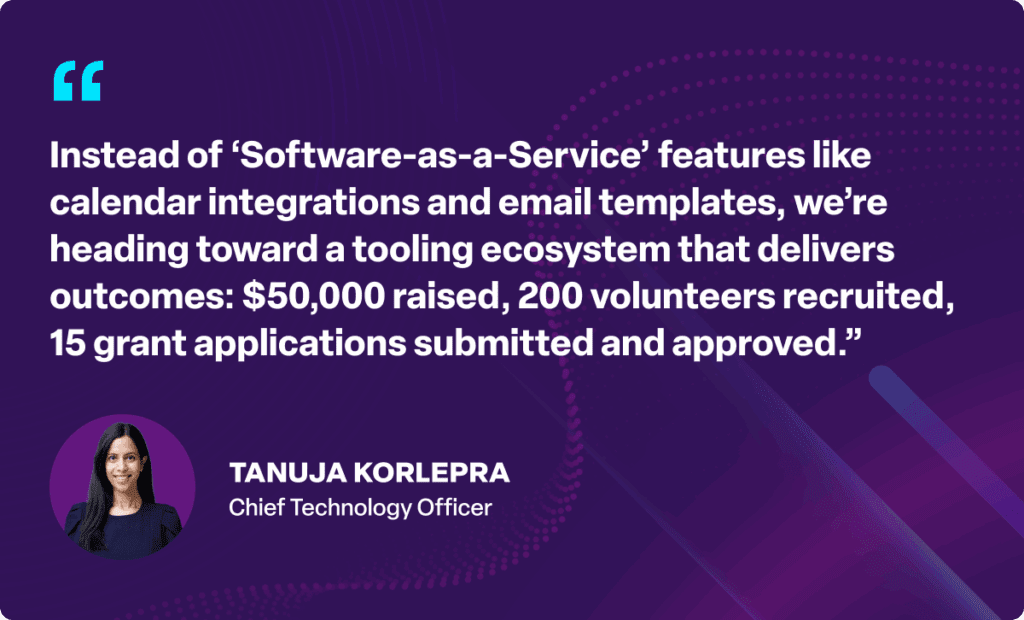
Nearly half of nonprofit professionals consider Outcome-as-a-Service appealing, and 48% are confident that AI tools can autonomously achieve measurable outcomes.
Outcome-as-a-Service marks a major shift. Technology won’t just complete tasks; it will help advance your mission by driving toward real results. Instead of juggling multiple systems, teams will rely on tools that work behind the scenes to reach defined goals, whether that is raising $50K or increasing volunteer engagement. And Agentic AI will make this even more possible by understanding context, evaluating options with remarkable speed — acting with human oversight every step of the way.
In this future, people spend less time on administrative work and more time shaping strategy. You set the goal, and technology supports the path forward. Humans remain the source of judgment, creativity, and relationships. For many organizations, this unlocks capacity that once felt out of reach and creates space to focus on the work that matters most.
The bottom line
These predictions signal a sector moving toward deeper alignment, smarter data, and more meaningful impact. They foretell a future where AI strengthens human judgment and frees teams to focus on what matters most. With the right tools and practices, nonprofits and funders can drive change faster and with far greater confidence.
So, are you ready for what’s next?
These three predictions are only the beginning. The full report includes nine trends shaping the future of social good, from ethical AI to the next era of donor engagement.


Work with Bonterra
Ready to drive more impact?