GivingTuesday continues to be one of the most anticipated moments of the philanthropic year, a global spike in generosity that cuts across demographics, causes, and geographies. And while the GivingTuesday movement once again saw strong activity this year, the deeper story lies in how donors gave, when they gave, and what organizations can take from those patterns as we move into year-end.
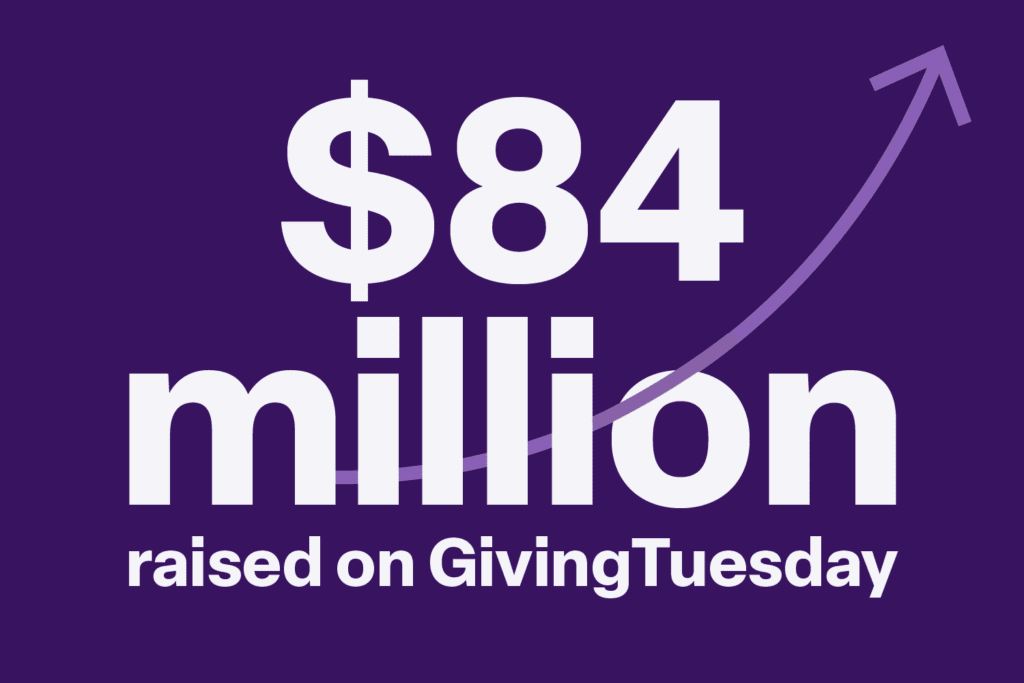
Across the $84 million raised on GivingTuesday using Bonterra’s suite of products, the clearest takeaway is this: Donor generosity held steady, but the way organizations activated their communities played a defining role in outcomes. Below are 6 takeaways nonprofits can utilize to strengthen their year-end fundraising efforts.
1. Donors remained generous despite current economic pressures; average gifts held steady year over year.
Even with shifts in donor counts and campaign mix across our ecosystem, the average gift amount stayed essentially consistent with last year. This is a strong and encouraging signal.

When donors showed up, they gave at levels similar to prior years.
GivingTuesday continues to be a moment when donors are emotionally and culturally primed to contribute. The opportunity remains powerful — but increasingly, results are driven by how clearly organizations cut through the noise and connect with their supporters.
2. GivingTuesday is crowded. And clarity wins.
The volume of GivingTuesday messaging grows every year as nonprofits, brands, influencers, and corporations all lean into the cultural moment. This means that donors continue to navigate a crowded landscape of appeals, stories, and campaigns all competing for attention on the same day.

This aligns with a theme we’ve seen in donor analytics for over a decade:
Technique, not timing alone, separates strong results from average outcomes.
Organizations that showed donors something specific, human, and meaningful, rather than relying on the moment to do the work, tended to break through more effectively.
3. The rhythm of GivingTuesday giving remains consistent.
GivingTuesday follows a familiar rhythm, one that mirrors the way donors move through their day. Meeting donors where they are means paying attention to these natural moments and leaning into them thoughtfully.
The goal isn’t to overwhelm people with “GivingTuesday” hype or artificial urgency. Instead, it’s about showing up with mission-driven clarity, offering real updates, and reminding donors of the impact they can be part of, whether through a gift or deeper engagement beyond the transaction.
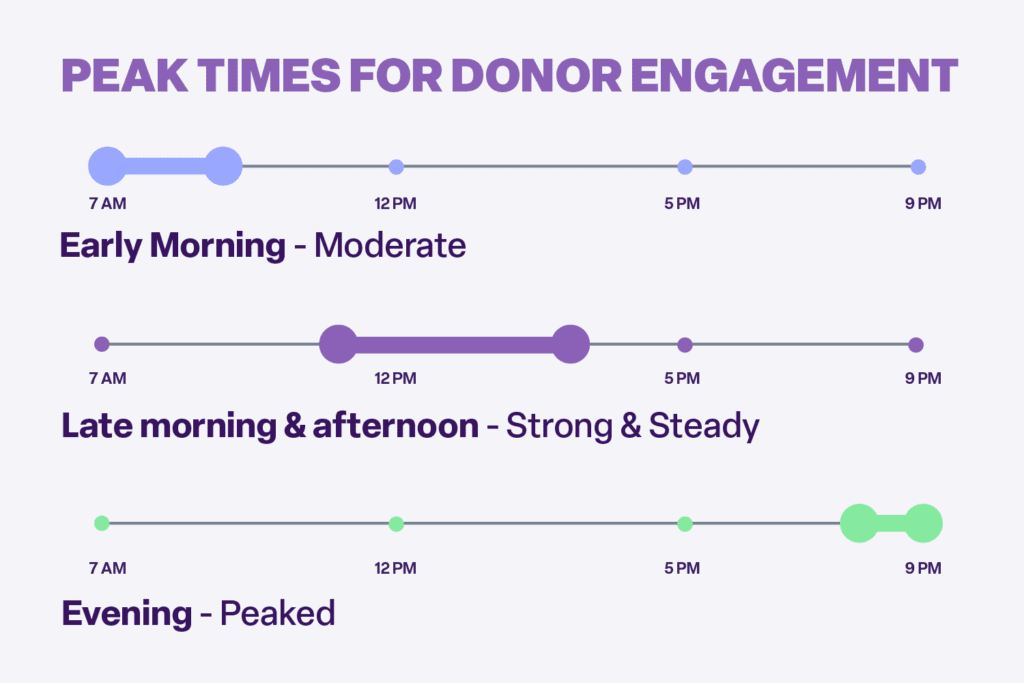
A pattern we’ve seen before held true again this year. Here are the rhythms we observed throughout the day:
- Giving peaked in the evening (8–9pm)
This was the single strongest hour of GivingTuesday. Donors acted when they finally had the time and space to do so.
- Late morning and afternoon showed strong, steady giving
Giving climbed significantly from around 9am through 4pm, with consistent strength throughout the afternoon hours.
- Morning activity was moderate
Donors did respond early, especially once the day’s campaigns began, but the morning was not the primary driver of the day’s totals.
What this means for fundraisers:
GivingTuesday is not a moment of constant uniform engagement; it’s a curve. Donors build momentum over the day and act strongly in the evening. Organizations can use that insight in year-end planning by aligning key messages or reminders with periods when donors are most likely to take action.
4. GivingTuesday remains a strong on-ramp for new donors.
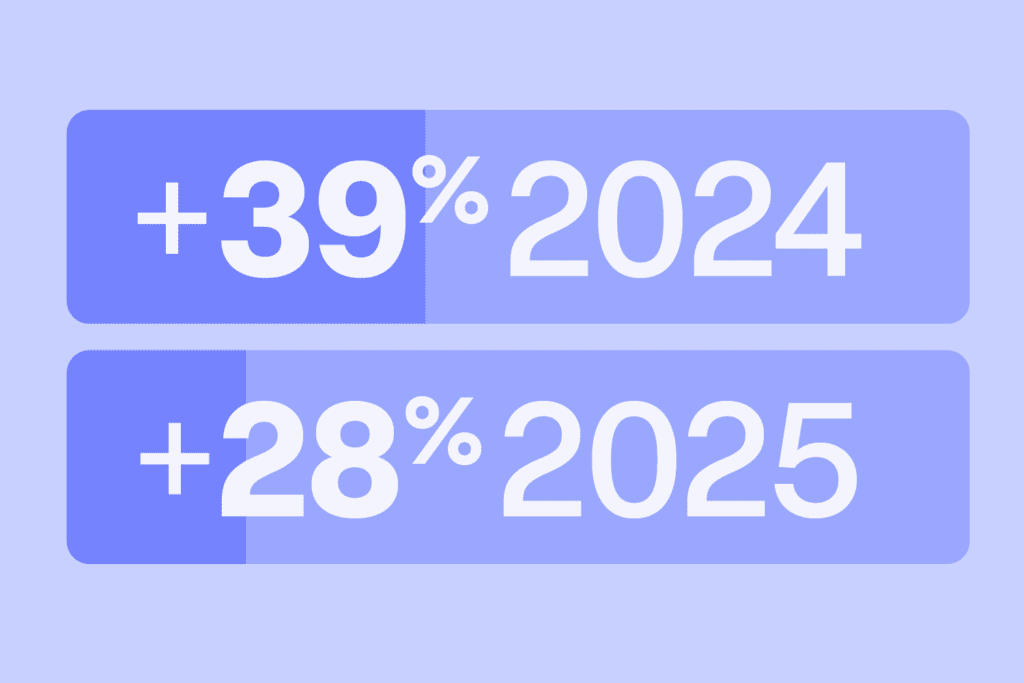
Historically, GivingTuesday has been an important driver of donor acquisition. Last year, 39% of GT donors across our platforms were giving to their organization for the first time.
This year, the figure was slightly lower at 28%. This is a metric to remember, as it follows the pattern we saw with low-dollar donations, both on GivingTuesday and throughout the year.
But the key point remains:
GivingTuesday still brings in a meaningful number of new supporters, and what happens next determines their long-term value.
Still not convinced or worried about whether it is too soon to engage with these donors? Take a look at the deep dive we did in 2022.
5. Innovative fundraising formats gained traction
Organizations broadened how they used their fundraising platforms on GivingTuesday, leveraging innovative and optimized donation experiences across fundraising programs.
DonorDrive: Growth powered by enhanced giving experiences
DonorDrive clients saw strong GivingTuesday results driven by advancements across the platform’s giving experiences. Nonprofits used DonorDrive’s individual giving and peer-to-peer fundraising capabilities together, supported by features that:
- activate donors through branded, mobile-first donation forms
- complement existing P2P and DIY fundraising programs
- create a cohesive experience across channels
Optimized donation flows, suggested donation amounts, exit-intent and abandoned donation reminders, and monthly upgrade prompts helped organizations boost conversion, recurring giving, and total revenue. DonorDrive customers are using these enhancements to improve performance across their full fundraising mix.
OneCause: Event-centric programs strengthened by modern giving tools
Event-focused organizations expanded their GivingTuesday strategy using OneCause’s enhanced digital giving capabilities, pairing their signature events with more flexible, mobile-first online experiences. This allowed them to:
- reach supporters outside traditional event cycles
- activate ambassadors and social networks
- strengthen — not shift away from — their established event formats
Innovations, including newly released DAFpay and ambassador fundraising, gave organizations more ways to engage supporters and drive participation. Together, these features enabled event-driven nonprofits to diversify touchpoints and increase overall giving on this key fundraising day.
The takeaway: Nonprofits are increasingly focused on cohesive, cross-channel giving experiences that strengthen supporter engagement across events, P2P, and direct GivingTuesday campaigns — driving more consistent participation and stronger revenue outcomes.
6. What nonprofits can carry into year-end
We are entering the most generous period of the giving season, and GivingTuesday provides rich behavioral clues for what will work in the coming weeks:
- Lead with clarity and connection – In a noisy environment, donors respond to human stories and clear impact.
- Engage when donors are most active – Afternoons and evenings showed the strongest giving patterns, a useful insight for year-end reminders.
- Treat new donors as the beginning of a relationship – With 28% of GivingTuesday donors being new, a thoughtful onboarding sequence can change their lifetime value dramatically.
- Apply the GivingTuesday mindset to your own Giving Days – Community foundations, higher-ed institutions, and national nonprofits have shown that focused Giving Days produce powerful results year-round. The playbook extends well beyond November.
The challenge and opportunity is to cut through the noise with clarity and purpose, meet donors in the moments when they’re ready to act, and turn first gifts into lasting relationships.
Organizations that do this well will not only succeed on GivingTuesday, but they’ll build stronger, more resilient communities of support all year long.