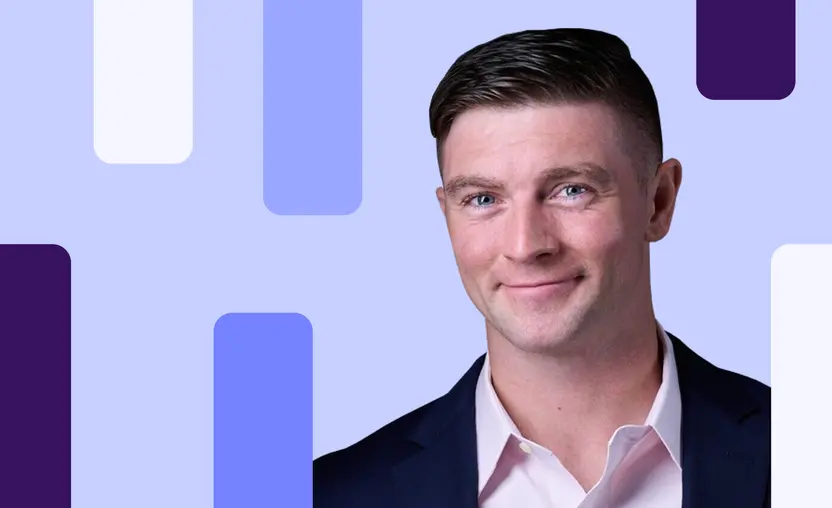
Being Bonterra: Eleazar Adjehoun on community and the long arc of impact
Explore the journey of Bonterra's Eleazar Adjehoun, a foundations account executive who believes in the importance of being in service to your community.

For Eleazar Adjehoun, impact has never been abstract. It is personal, inherited, and shared. As an impact partnerships and foundations account executive at Bonterra, Eleazar works with funders across the country to help nonprofits build sustainable fundraising capacity. But long before his work centered on foundations, it was shaped by community; what it means to care for others, move collectively, and understand well-being as a shared responsibility.
During Black History Month, Eleazar reflects on how his identity and life experiences have influenced the way he shows up at Bonterra and beyond.
Rooted in community, shaped by responsibility
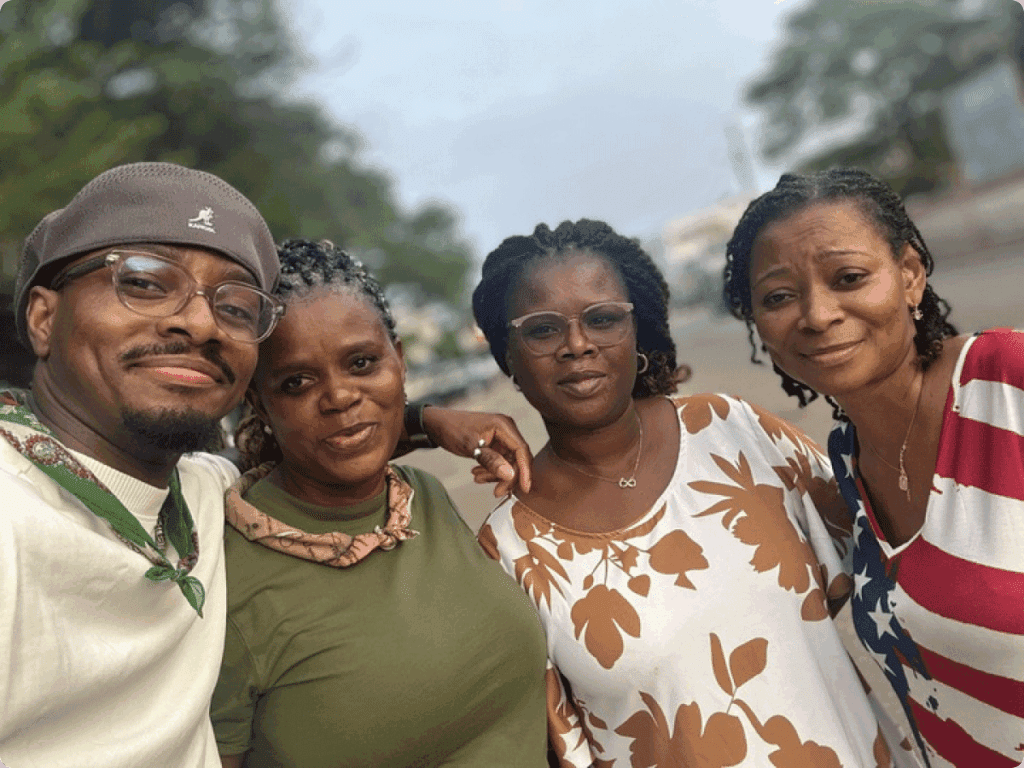
Eleazar describes himself as a first-generation Togolese, Queens-bred New Yorker, with lived experiences that reflect the quintessential essence of New York City — diverse, layered, and always in conversation with community.
Raised by West African parents who immigrated from Togo, Eleazar grew up in New York City surrounded by contrast: proximity to opportunity, wealth, disparity, and possibility. As the eldest sibling, he learned early what it meant to be dependable. He was a caretaker for his elders and a role model for his siblings, which laid the groundwork for his role as keeper of his community.
“I see the well-being of community and of self as a shared responsibility.”
Identity as advocacy at work
Eleazar’s identity has forever shaped him into an advocate, especially for nonprofits operating closest to crisis. Before joining Bonterra, he worked directly in nonprofit spaces: supporting young people navigating mass incarceration, working with individuals impacted by sex and labor trafficking, building revenue systems for nonprofits, facilitating leadership retreats, and teaching mindfulness at The Lineage Project.
He has lived the consequences of under-resourced systems. When the nonprofit Lineage Project closed its doors after years of impactful work due to unsustainable funding, Eleazar felt the ripple effects firsthand.
“I’ve seen what happens when organizations don’t have the capacity, tools, or funding to deliver on missions that matter.”
That experience, alongside his work during the pandemic at Exalt Youth, became a catalyst. At Bonterra, he uses his voice and position to advocate for nonprofits so they are not perpetually stretched thin or forced to choose between survival and service.
Black History Month as responsibility, not symbolism
Eleazar sees Black History Month as a celebration of Black brilliance, and as a necessary acknowledgment of history, especially amid efforts to sanitize or erase it. More than reflection, it is a reminder of what is inherited.
“It’s a reminder of where we’ve been, and the responsibility we collectively hold to carry it forward.”
That responsibility shows up in the spaces he creates for himself. His home is intentionally decorated with art and quotes from Black thinkers, leaders, and Afro-futurist artists — daily reminders to imagine alternatives and actively build them.
Leaders he admires include Angela Davis, Toni Morrison, Maya Angelou, Malcolm X, Fred Hampton and Muhammad Ali.
He also names leaders in his own life who embody that legacy through action, like Jenice Fountain at The Yellow Hammer Fund and Dionn Schaffer here at Bonterra.
“I’ve been fortunate to have leaders and mentors in my corner who are unflinching about their commitment to elevating equity and leading in ways that make those practices tangible and accessible rather than abstract.”
Leadership as liberation
Toni Morrison‘s words have long served as an anchor for Eleazar, especially this reminder:
“When you get these jobs that you have been so brilliantly trained for, just remember that your real job is that if you are free, you need to free somebody else. If you have some power, then your job is to empower somebody else.”
That philosophy has guided his career, from supporting Raise the Age legislation in New York to disrupting cycles of poverty and violence through nonprofit work, and now at Bonterra through partnerships that strengthen the social impact ecosystem.
A quote from Angela Davis remains just as central: “You have to act as if it were possible to radically transform the world. And you have to do it all the time.”
Eleazar prioritizes relationships over transactions, and grounding conversations in curiosity. He is always seeking to understand what calls each of us to do this work, explore what funders and nonprofits want to be remembered for, and connect the dots where collaboration can genuinely serve them. For him, leadership is not about proximity to power, but about how power is shared.
“The work becomes sustainable when it’s rooted in shared purpose, not transactions.”
Advice for the next generation
“Purpose and provision don’t have to be mutually exclusive.”
For young professionals entering tech or social impact spaces, Eleazar is clear: you do not have to choose between purpose and provision. The tech-for-good space, he says, makes it possible to do work that sustains your values and your livelihood — if you are intentional about where you land.
“You can have a career that is purposeful, sustaining, and rooted in equity.”
One truth he wishes he had learned earlier is simple, but hard-earned: longevity matters.
Early in his career, especially during the pandemic, Eleazar worked himself into the ground, believing sacrifice was required to meet the moment. Now, he understands that sustainable change requires sustainable people.
“The systems we’re fighting against don’t take days off, but we have to.”
Carrying it forward
“Longevity matters. This work is a marathon.”
For Eleazar, being Bonterra means carrying forward a lineage of responsibility: to community, to equity, and to the long arc of change.
Black History Month is not a pause. It is a reminder that the work continues, and that how we show up today shapes what becomes possible tomorrow.

Author
Bonterra Editorial Team


Work with Bonterra